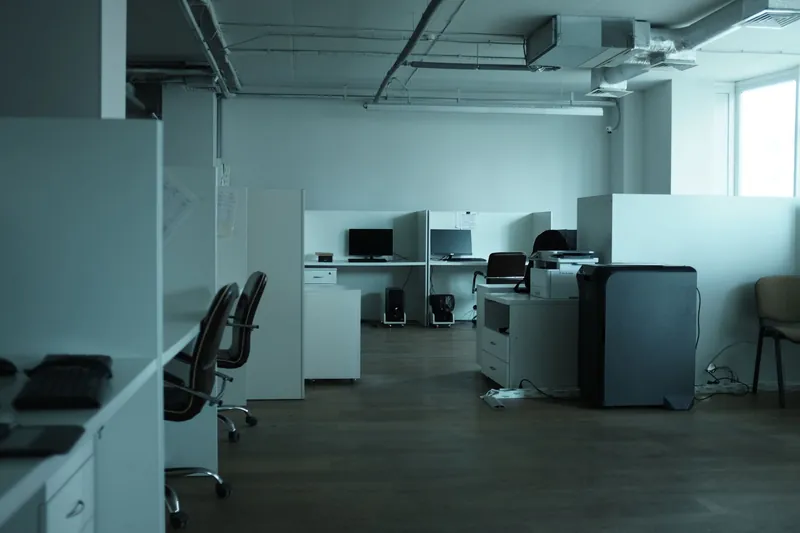
Office and Workplace Biohazard Cleanup
Office and workplace biohazard cleanup after injuries or exposures.
See office and workplace biohazard cleanupGet commercial biohazard cleaning for an office, store, warehouse or industrial property in Gulfport. The cleanup can include containment, contaminated material removal, disinfection, odor treatment and waste disposal.
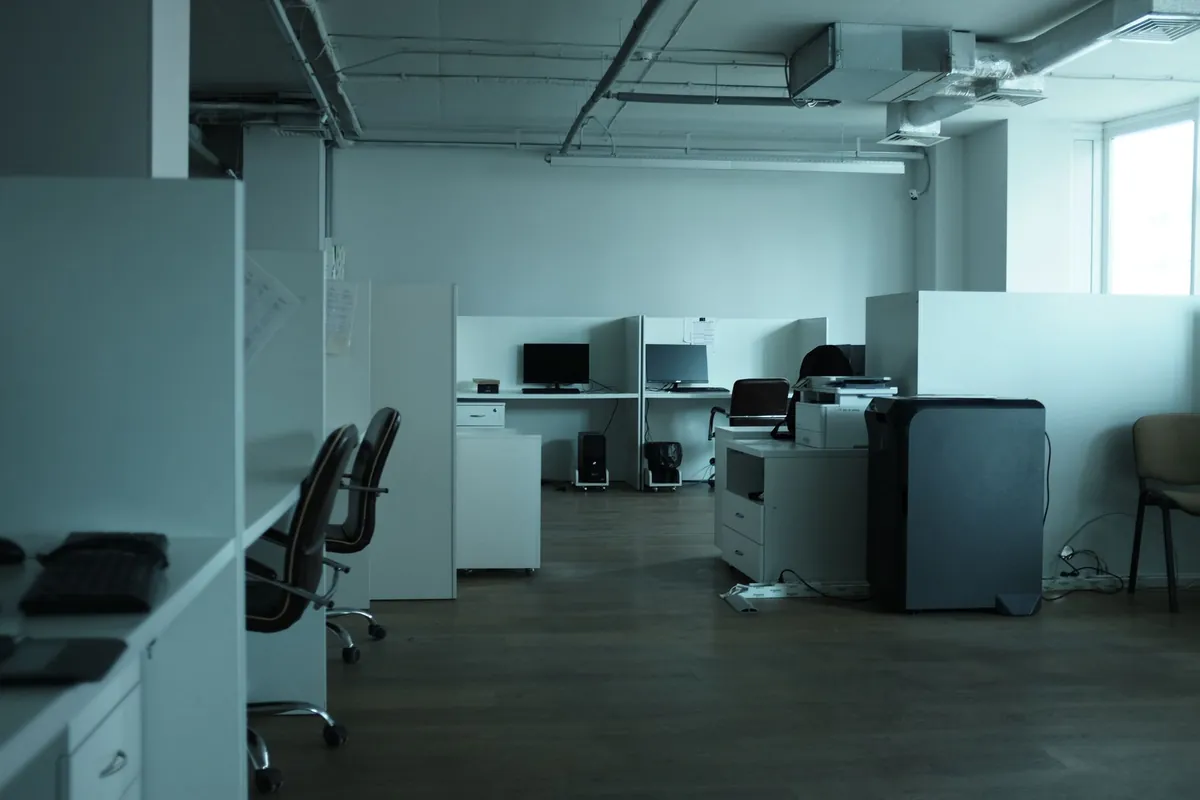
Commercial biohazard cleanup is a controlled process for removing and disposing of biological contamination, then cleaning and disinfecting a workplace, business site or industrial facility.
Blood, human waste, bodily fluids, sharps and other hazardous material may be present in the affected space. Cleanup by a professional may be necessary following a crime scene, injury, sewage backup, unattended death or the discovery of discarded needles. Unlike routine janitorial work, this cleaning must account for unseen contamination that may have reached under floors, behind baseboards and onto adjacent surfaces.
A site assessment comes first, followed by a containment plan. Trained technicians and professionals wear protective equipment and isolate the work zone from nearby areas. They take out contaminated items that cannot be disinfected, then use EPA-registered disinfectants for the complete contact time on the label. The team should also maintain disposal records, photos and a defined scope so property owners, facility managers and the insurance company can understand the completed work.
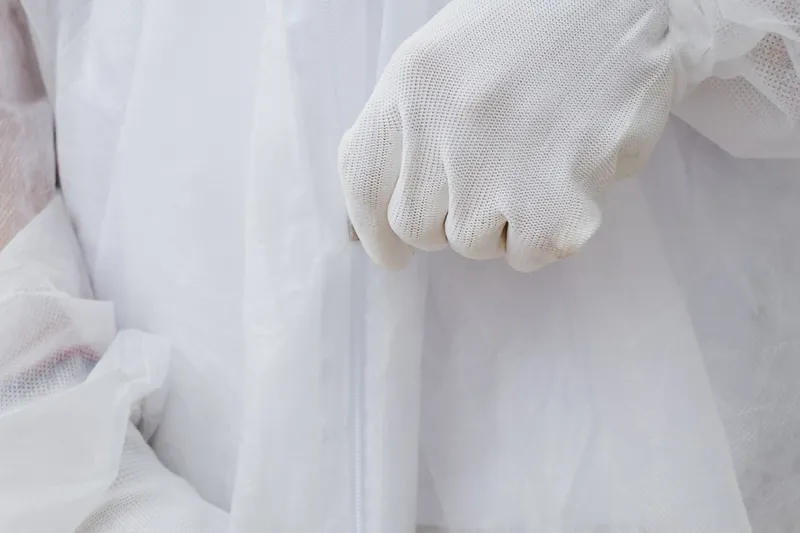
Unmarked vehicles and controlled work areas help protect privacy at offices, stores, warehouses and other public-facing properties.
Organized scope notes, disposal records and pictures can support property owners, insurance companies and site files.
Equipment, documents, inventory and employee belongings are reviewed with the person in charge before recoverable items are cleaned or damaged items are removed.
You can move forward after learning about the affected areas, removal needs, cleaning process and reopening considerations.
Workplace biohazard cleanup is needed when routine cleaning cannot safely address the contamination. Every situation calls for a response based on the material, where it traveled and who may have entered the area. Common situations include:
Heavy clutter can hide urine, feces, spoiled material, pests and sharps. Careful sorting and biohazard remediation are combined by commercial hoarding cleanup services where contamination appears.
Sewage is Category 3 black water. It may carry harmful microorganisms into stored products, flooring, wall edges and surrounding areas.
When biological waste or discarded sharps appear in lots, vacant buildings, stairwells or restrooms, commercial professional biohazard waste cleanup may be appropriate. The work requires controlled waste disposal, puncture-resistant containers and protective gear.
After law enforcement releases a crime scene, cleaning may include bodily fluids, fingerprint powder, damaged contents and odor in offices, retail spaces or parking structures.
Protecting people and preserving the scene come before the cleaning service can begin. A controlled response with simple steps can prevent material from being tracked and allow the assessment to remain accurate:
Call (888) 440-9227For a large commercial biohazard event, published commercial cost guides show a span from $10,000 to $100,000. A separate published guide puts commercial-property tear gas cleanup between $10,000 and $50,000. Neither broad range is a job-specific price. Scope is affected by the hazard, contaminated square footage, materials requiring removal, waste disposal, limits on access, necessary testing and interruption to the business. A dependable hourly figure is not available in those commercial cost guides.
These national ranges are taken from published cost guides, rather than a property visit. You learn what your property will cost after the on-site assessment and before any work begins.
Ask about cost: (888) 440-9227Payment varies according to what caused the loss, what the property policy and lease say, and whether other coverage applies. Confirm coverage with the insurance company rather than assuming it will pay a commercial biohazard claim.
Cleanup connected to a covered loss may qualify under some policies, subject to applicable exclusions, limits and the deductible. Give the insurance company the facts and keep the claim number.
Find out which invoices, disposal documents, scope details and photographs must be submitted. Retain damaged property for inspection except when keeping it there creates a safety hazard.
Homeowners or renters insurance, the estate or the property owner usually pays for this kind of cleanup. The Florida crime victim compensation program helps only when a crime caused the loss. A business should wait for program confirmation before depending on this source because the program decides eligibility.
A lease can assign separate responsibility for fixtures, stock, interrupted operations and the property itself. The owner and tenant should read the lease and speak with their insurers.
Every step of commercial cleanup should be recorded while occupants are protected and routes through clean areas remain isolated from the work zone. Facility conditions shape the remediation process, but this is the order generally used:
Cleanup technicians evaluate the affected area, operating needs, impacted surfaces, entry routes and surrounding rooms. What can stay for cleaning and what needs removal are identified in the scope.
Barriers isolate the work area while entry remains controlled. Based on the hazard, technicians choose suitable respiratory protection, eye protection, suits and gloves.
Materials that cannot be thoroughly disinfected, including furniture, stock, carpet, pad, insulation, ceiling tile or drywall, are removed and prepared with labels and packaging for correct disposal.
Before applying disinfectant, technicians clear away visible soil. EPA-registered products stay wet for the full contact time stated on the label.
Non-porous fixtures, tools and equipment are cleaned when their construction allows it. Sensitive contents are evaluated before the choice to keep them or take them out.
First comes source removal. HEPA air filtration and other odor treatment may follow when particles or odor remain in the work zone.
Waste is sealed or bagged, taken out by a predetermined route and delivered to a suitable facility for treatment or disposal as applicable rules require.
Once cleaning is complete, the area is checked against the established scope. Requested checks after cleaning, disposal records and photos can document the file for insurance and help guide reopening. When drywall, flooring or another finish was taken out, restoration services may come next.

Call any hour. A commercial and industrial biohazard cleanup specialist answers, explains the steps and agrees a start time with you.
Commercial biohazards can create serious health risks when bodily fluids, waste or contaminated materials are touched, disturbed or tracked beyond the original area.
Even without witnessing the event, staff, occupants and loved ones can feel its effects. Reduce needless exposure, respect people's privacy and make suitable support resources available.
During lifting, waste collection or sorting, wet debris and discarded needles can expose employees. Sharps require puncture-resistant containers and must not go into loose bags.
Grout, wall borders, carpet and seams can allow liquid to pass through. Contamination may be left behind beneath a surface or inside a connected space when cleaning ends at the visible mark.
Can you clean it yourself? An established exposure-control plan may guide a trained employee cleaning a very small spill from a hard, non-porous surface. Wear appropriate protective equipment and keep an EPA-registered disinfectant wet throughout its stated contact time. Seek professional cleanup and close the space if contamination involves an unknown substance, sewage or sharps, extends past a defined area or penetrates porous surfaces.
Commercial biohazard cleanup duration is determined by the hazard, site access, the affected area's size and the need for testing or material removal. A single work period can be sufficient in a small, contained area. Larger industrial properties may go through several phases prior to reopening.
| Scene | Typical time on site |
|---|---|
| Small, contained non-porous area | One work period may be enough for assessment, cleaning and inspection |
| Porous material removal across several rooms | Allow for individual containment, material removal, cleaning and inspection phases |
| Complex hazardous event or large commercial facility | Timing follows the approved scope, access plan and any post-cleaning checks |
Finding and taking out the contaminated source is the first step in odor removal. If material is still under flooring, within porous furnishings or behind a wall, ventilation, fragrance and surface sprays alone will not solve it.
Following source removal and cleanup, HEPA air scrubbers can filter particles carried in the air inside containment. Remaining odor may call for consideration of hydroxyl treatment or another technique, depending on the material and whether the space is occupied. If odor traveled farther than the original location, the check should include shared walls, nearby rooms and HVAC returns.
OSHA Bloodborne Pathogens Standard 29 CFR 1910.1030 establishes requirements for training, protective equipment, occupational exposure controls and related practices.
For the organism being addressed, the disinfectant should have EPA registration and stay in place throughout the contact time printed on its label.
Florida calls it biomedical waste, and the term covers absorbent materials saturated with blood or body fluids. The Florida Department of Health's rules control packing, transport and treatment, so it cannot go in household trash. Applicable requirements depend on site conditions and the category of waste.
Local health and building rules can affect how a contaminated room is cleaned and when it can be used again, so mention any notice you have received from the city or county. Leave a death or crime scene undisturbed until the appropriate authority gives its release.
The full commercial and industrial biohazard cleanup guide covers what is cleaned or removed, odor and air quality work, and the rules that apply in your state.
Read the full commercial and industrial biohazard cleanup guide
Containment, entry and cleanup plans can be influenced by local housing, population and access details.
Only 25.8% of homes in Gulfport are renter occupied, so many cleanup decisions may rest directly with resident owners.
A 1963 median build year points to varied interior finishes, so each affected material needs its own cleaning or removal decision.
About 1,240 older residents live alone in Gulfport, equal to 28.8% of seniors and still relevant to welfare planning.
The 64.1% single-family share means access and odor control can differ greatly from one local property to another.
During your call, ask whether cleanup is available in surrounding communities and ZIP codes.
Office and workplace biohazard cleanup after injuries or exposures.
See office and workplace biohazard cleanup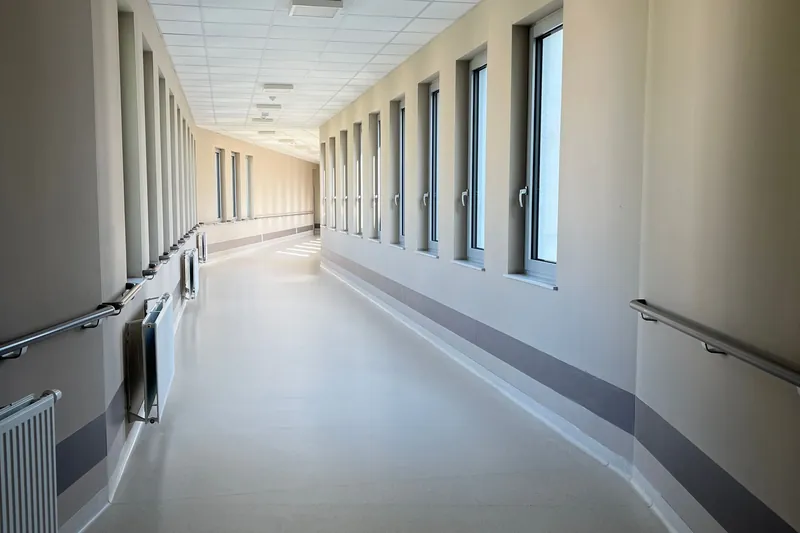
Healthcare biohazard cleanup covers clinics, care facilities and residential care homes.
See hospital and healthcare biohazard cleanup
Hotels, rental properties and Airbnb units receive biohazard cleanup.
See hotel, airbnb and rental biohazard cleanup
Blood spill cleanup removes spills of any size, including fresh and dried blood.
See blood spill cleanup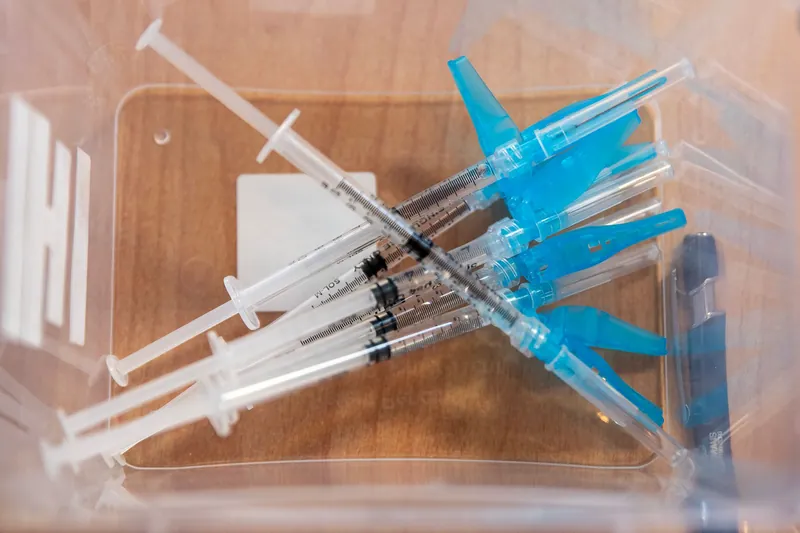
Yards, encampments, parks and rental properties receive needle and sharps cleanup.
See needle and sharps cleanup
Sewage cleanup removes Category 3 black water from raw sewage, then disinfects and dries the area.
See raw sewage cleanup
Pickup and disposal of biohazard waste use containers that are sealed and labeled.
See biohazard waste disposal
After police release the property, crime scene cleaning addresses blood and odor.
See crime scene cleanupCommercial sites may contain human waste, discarded sharps, backed-up sewage, injury-related blood, bodily fluids in shared areas or restrooms, and contamination associated with a death or crime scene. How you respond should reflect the material involved, the surfaces affected and whether people carried contamination to surrounding areas.
A biological hazard is material that may expose people to harmful microorganisms or toxins. Used needles, sewage, bodily fluids, human waste, blood and contaminated porous materials are examples found in workplaces. Limit entry pending assessment of the affected area because hazards may appear openly or remain concealed below flooring and fixtures.
Published cost data lists $10,000 to $100,000 for a large commercial biohazard event. It gives $10,000 to $50,000 for tear gas at a commercial location. The listed ranges offer broad guidance. Site size, contamination type, material removal, disposal, testing and business downtime determine the actual scope.
Site assessment and containment planning are the first parts of the cleaning process. The work covers taking out material that cannot be disinfected, removing visible soil, keeping an EPA-registered disinfectant on the treated surface throughout its stated contact time, and placing regulated waste in suitable packaging. The reopening decision and property records can draw on final inspection findings, disposal records and photographs.
Seek professional cleanup when sharps, a crime scene, an unattended death or sewage is involved, when the boundary is uncertain, or when contamination has entered furniture, drywall, carpet or other porous material. Do not ask regular cleaning staff to enter an area beyond their protective equipment, exposure-control procedures or training.
Employees need appropriate protective equipment, training and an exposure-control procedure before addressing blood exposure on the job. OSHA Bloodborne Pathogens Standard 29 CFR 1910.1030 applies when workers may be exposed. If blood reached porous materials, spread beyond clear edges or created an unsafe scene, restrict access and seek professional cleanup.
Respectful, discreet commercial and industrial biohazard cleanup is available 24 hours a day, and crews arrive in unmarked vehicles.